
Introduction
Food standards certification is a formal recognition that a product, service, or system in the food industry meets defined safety, quality, and/or sustainability criteria. These certifications are issued by government bodies or accredited third-party organizations after thorough audits and inspections.
Why Trust Smart Check Africa for your food Certification
Smart check Africa is a global leader in certification and sustainability services, committed to transforming industries for a better future. With a legacy of expertise spanning agriculture, food systems, and environmental stewardship, we deliver independent audits, certifications, and advisory solutions that uphold the highest international standards. Our work fosters ethical and sustainable practices, empowering businesses to strengthen their supply chains while protecting ecosystems and communities. Driven by integrity and innovation, we strive to create value for our clients and contribute to a more responsible world
Our mission is to empower businesses to achieve excellence in sustainability while safeguarding environmental and social well-being. From organic and fair trade certifications to specialized programs like Starbucks C.A.F.E. Practices, we offer comprehensive solutions that enhance market access and brand credibility. With a global network of experts and a client-centric approach, we deliver actionable insights and innovative strategies to help our partners navigate complex challenges. At [Smart check Africa], we believe in building a more sustainable future through collaboration, integrity, and a shared vision for responsible growth.
Audit Services
We conduct thorough audits to help you stay compliant, uncover potential risks, and identify areas for improvement. Our goal is to provide practical insights you can act on—so you’re not just meeting standards, but improving how you work.
Consultancy Services
We work with you to understand your challenges and offer tailored advice that fits your goals. Whether you need help improving operations, navigating change, or making strategic decisions, we’re here to support you with clear thinking and real solutions.
Training Programs
We offer training that’s relevant, hands-on, and easy to apply. Whether it’s staying up to date with regulations or building new skills, our sessions are designed to give your team the confidence and knowledge to do their best work.
Major Food Standards and Certifications
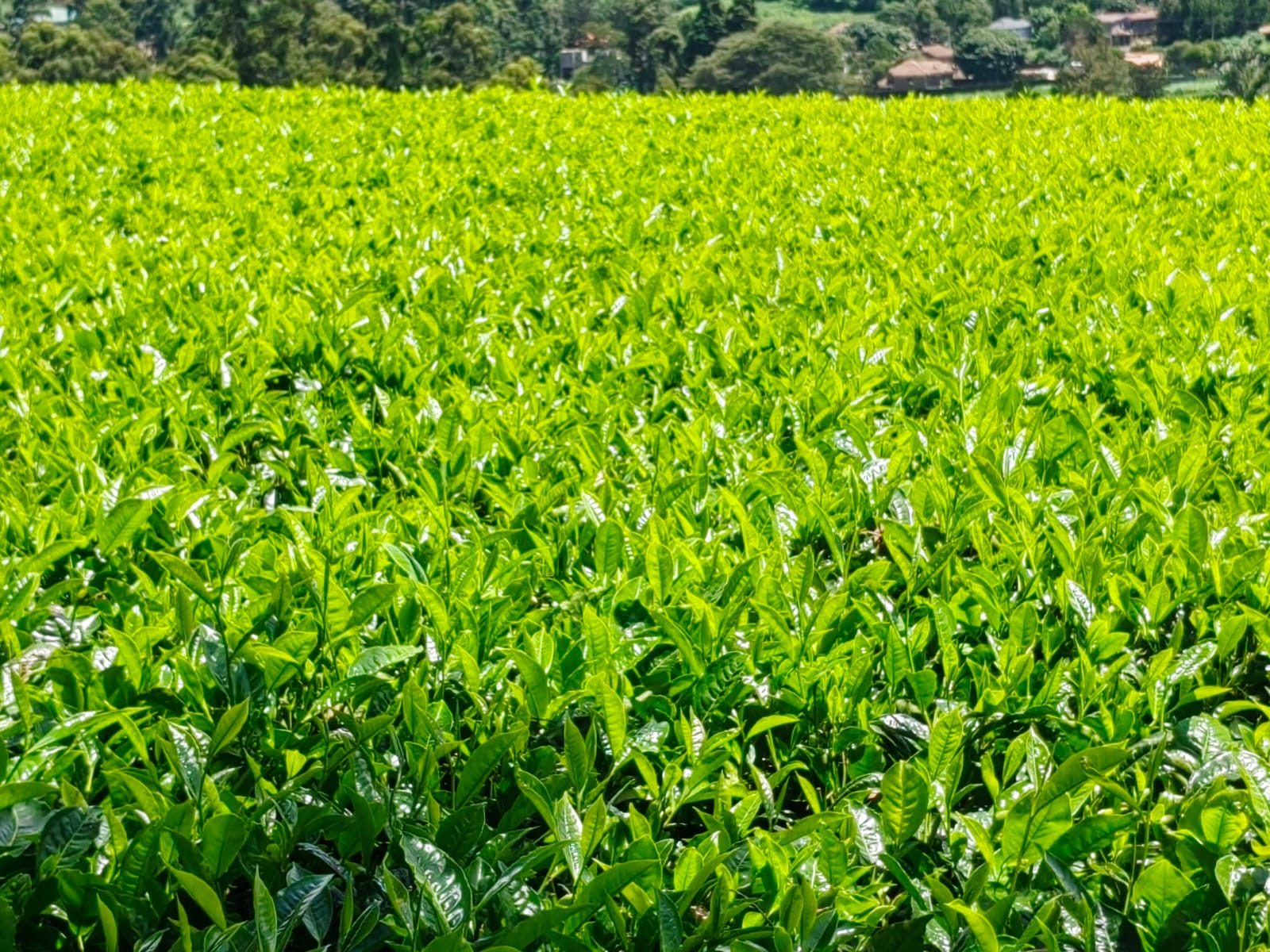
Here are some of the most recognized standards and certifications in the tea industry:
ISO 22000: Food Safety Management System
An international standard that defines food safety requirements for all organizations in the food chain. It includes principles from HACCP (Hazard Analysis and Critical Control Points).
FSSAI (India)
The Food Safety and Standards Authority of India sets and enforces standards for food products in India, including hygiene ratings, licenses, and product approvals.
FDA Compliance (USA)
In the United States, the Food and Drug Administration (FDA) regulates food safety. Compliance with FDA standards is crucial for domestic sales and exports.
BRCGS (British Retail Consortium Global Standards)
Widely used in the UK and globally, BRCGS certification covers food safety, packaging, storage, and distribution.
GlobalG.A.P.
Focuses on farm-level certification and is essential for fresh produce, ensuring environmentally safe and socially responsible farming practices.
SQF (Safe Quality Food)
Recognized globally, the SQF Program ensures rigorous food safety and quality management systems, especially for manufacturers and processors.
Halal and Kosher Certifications
These certifications confirm that food products meet religious dietary laws, and they are essential for selling in specific regions or to particular consumer groups
Organic Certifications (USDA, EU, NPOP)
Certifies that food is grown and processed without synthetic chemicals, GMOs, or artificial additives.
Final thoughts
Food standards certification is not just a regulatory requirement—it’s a commitment to quality, safety, and sustainability. Whether you’re a producer, retailer, or consumer, understanding the significance of these certifications helps promote a healthier, more responsible food ecosystem