Introduction
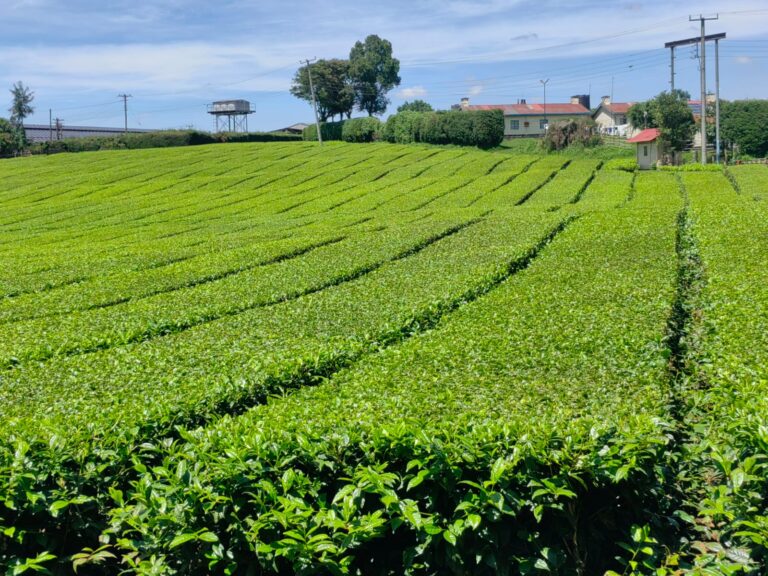
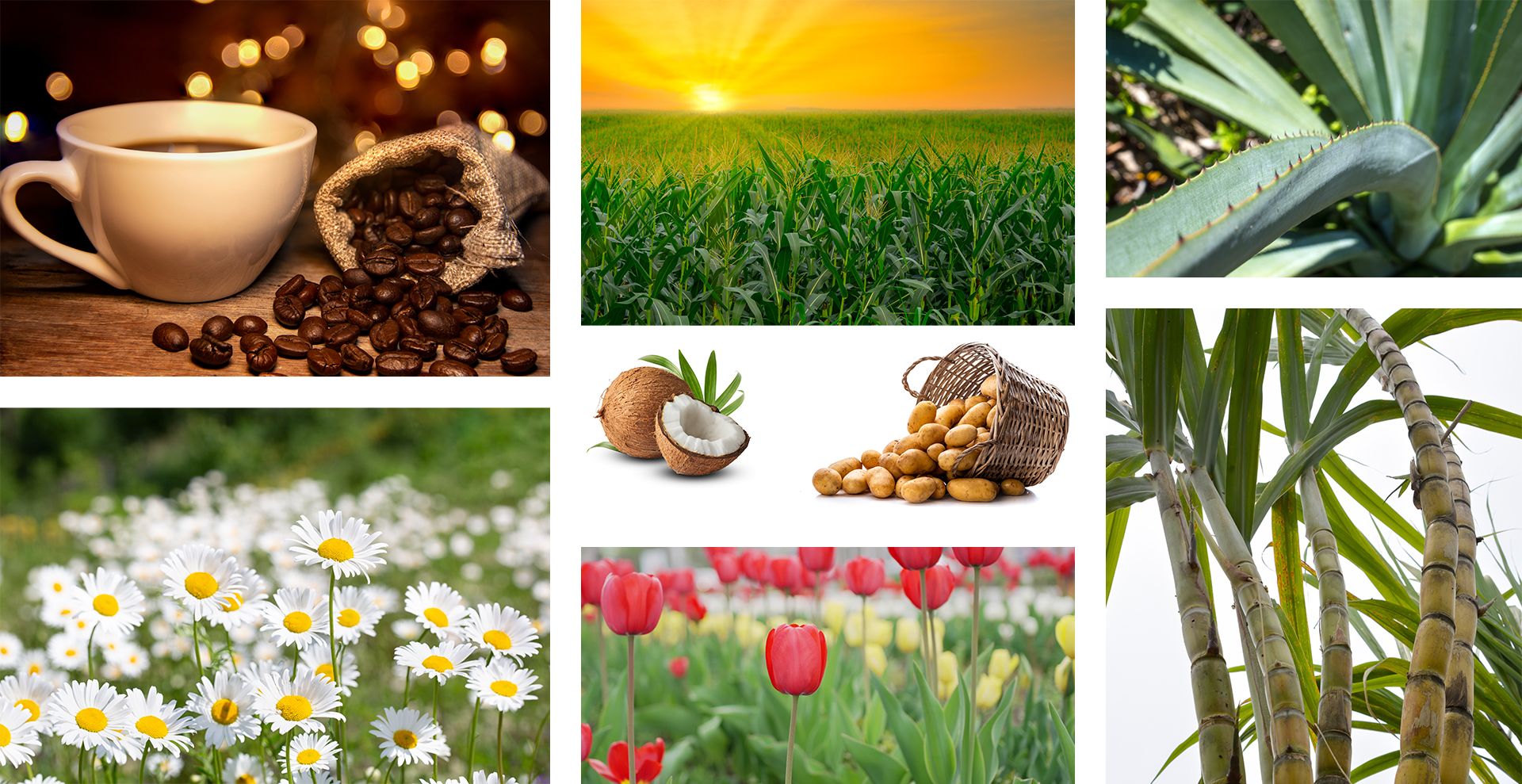
Food security is a critical challenge in Kenya, impacting millions of lives and hindering economic development. This blog post explores the multi-faceted strategies and initiatives being implemented to ensure a stable and sustainable food supply for all Kenyans.
Sustainable Agriculture: The Foundation of Food Security
- Conservation Agriculture: Minimizing soil disturbance, maintaining soil cover, and practicing crop rotation to enhance soil health and water retention.
- Agroforestry: Integrating trees and shrubs into farming systems to improve soil fertility, provide shade, and diversify income sources.
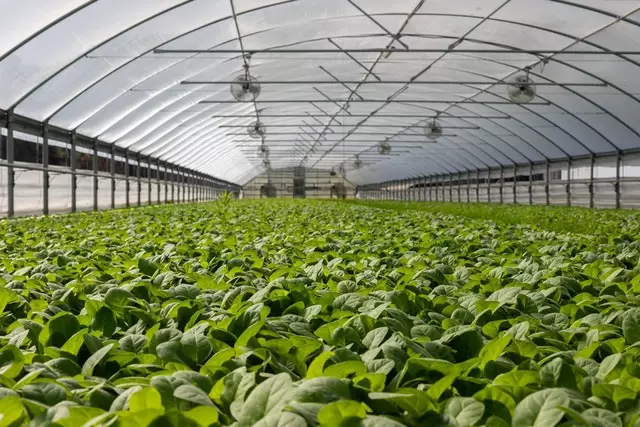
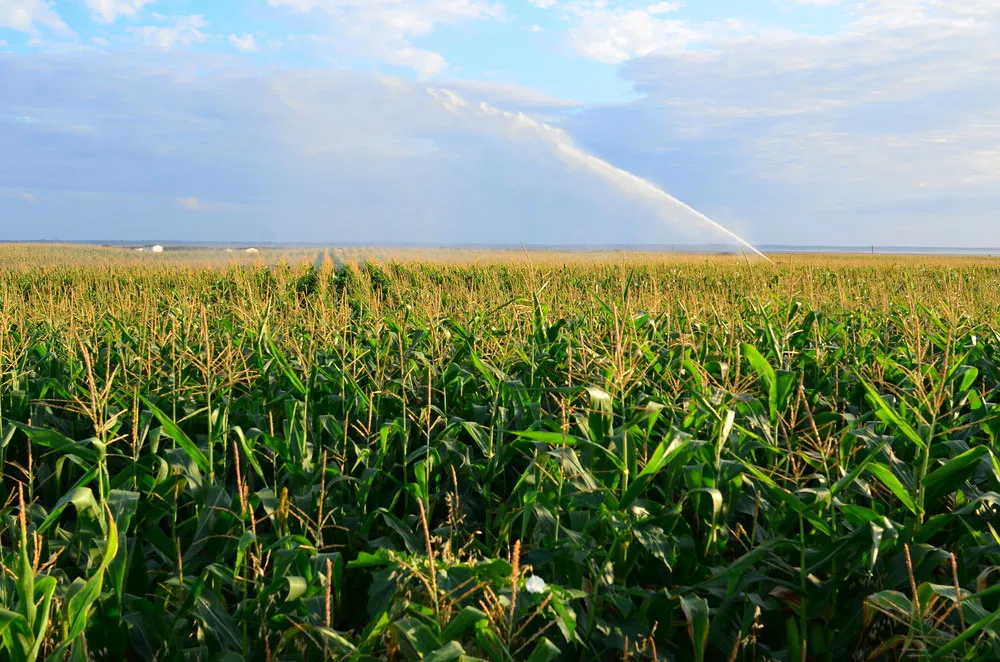
- Water Management: Implementing efficient irrigation techniques, such as drip irrigation and rainwater harvesting, to optimize water use in agriculture.
- Climate-Smart Agriculture: Adopting farming practices that are resilient to climate change, such as drought-resistant crops and early warning systems.
Government Policies: Creating an Enabling Environment
Government policies play a vital role in shaping the food security landscape. Supportive policies can incentivize sustainable agriculture, improve market access, and protect vulnerable populations.
Key Initiatives:
- The Big Four Agenda: Prioritizing food security as a key pillar of national development, with specific targets for increasing agricultural productivity and reducing food imports.
- Subsidized Inputs: Providing farmers with access to affordable fertilizers, seeds, and other essential inputs to boost crop yields.
- Strategic Grain Reserves: Maintaining adequate grain reserves to buffer against price volatility and ensure food availability during emergencies.
- Land Reform: Addressing land tenure issues to promote equitable access to land and encourage investment in agriculture.
Community Involvement: Empowering Local Solutions
Engaging local communities is crucial for developing and implementing effective food security solutions. Community-based initiatives can leverage local knowledge, promote ownership, and ensure that interventions are tailored to specific needs
Key Approaches:
- Farmer Field Schools: Providing farmers with hands-on training on sustainable agriculture practices and empowering them to adapt technologies to their local contexts.
- Community Seed Banks: Conserving and promoting the use of local seed varieties, which are often better adapted to local conditions and more resilient to climate change.
- Nutrition Education: Raising awareness about healthy diets and promoting the consumption of locally produced foods to improve nutritional outcomes.
- Empowering Women: Recognizing the critical role of women in agriculture and providing them with access to resources, training, and decision-making power.

Technological Innovations: Transforming Agriculture
Technological innovations are revolutionizing agriculture, offering opportunities to increase productivity, improve efficiency, and reduce post-harvest losses.
Key Innovations:
- Precision Agriculture: Using sensors, drones, and data analytics to optimize irrigation, fertilization, and pest control, leading to higher yields and reduced resource use.
- Mobile Technology: Providing farmers with access to market information, weather forecasts, and extension services through mobile apps and SMS platforms.
- Biotechnology: Developing crop varieties that are resistant to pests, diseases, and drought, enhancing resilience and reducing reliance on chemical inputs.
- Post-Harvest Technologies: Implementing improved storage and processing techniques to reduce food losses and extend the shelf life of agricultural products.

Looking Ahead: Building a Food-Secure Future
Ensuring food security in Kenya requires a sustained and coordinated effort from all stakeholders. By embracing sustainable agriculture, implementing supportive government policies, empowering local communities, and leveraging technological innovations, Kenya can build a food-secure future for all its citizens.
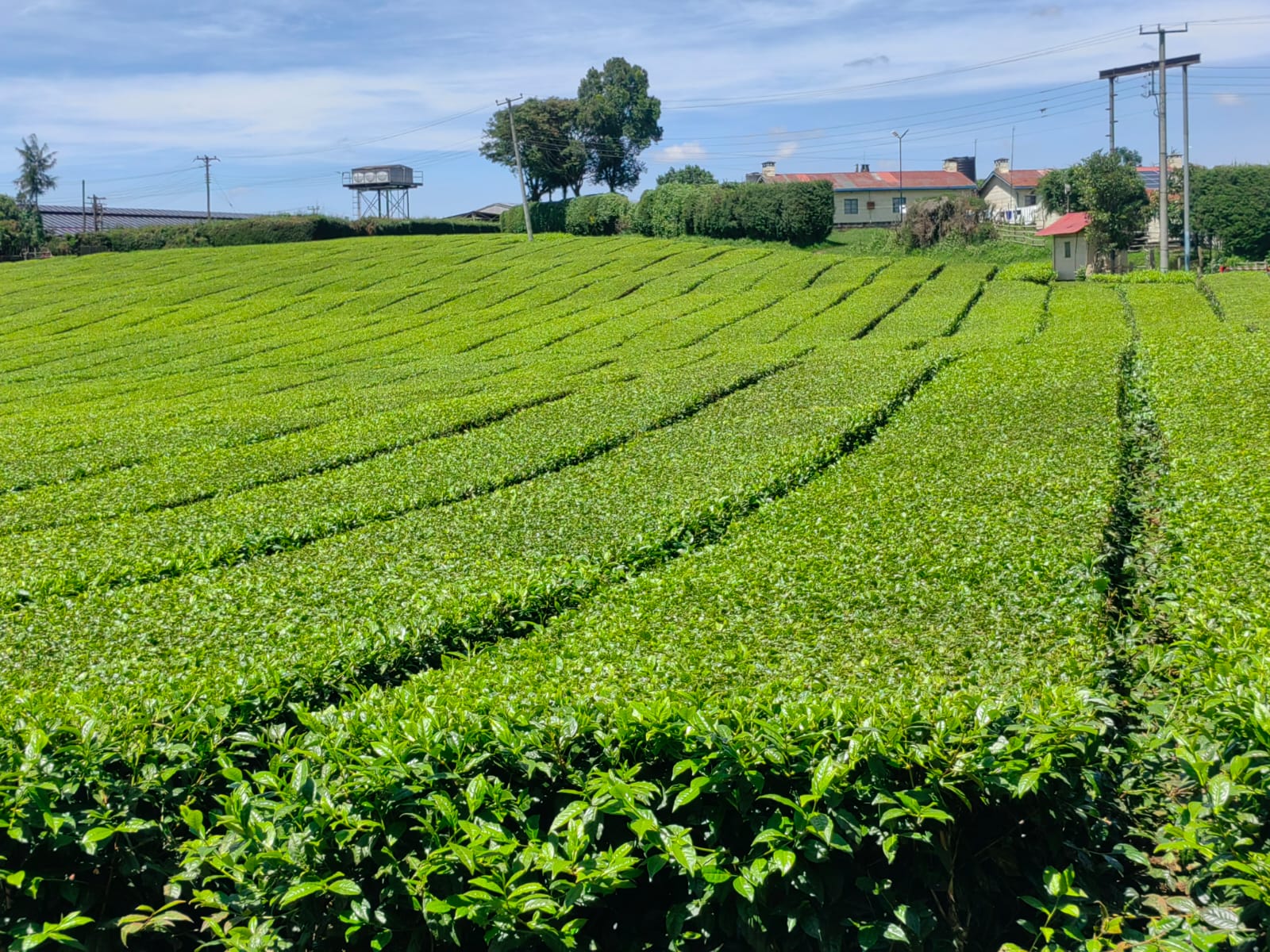
Tea, Coffee, Pyrethrum and other cash crop farming
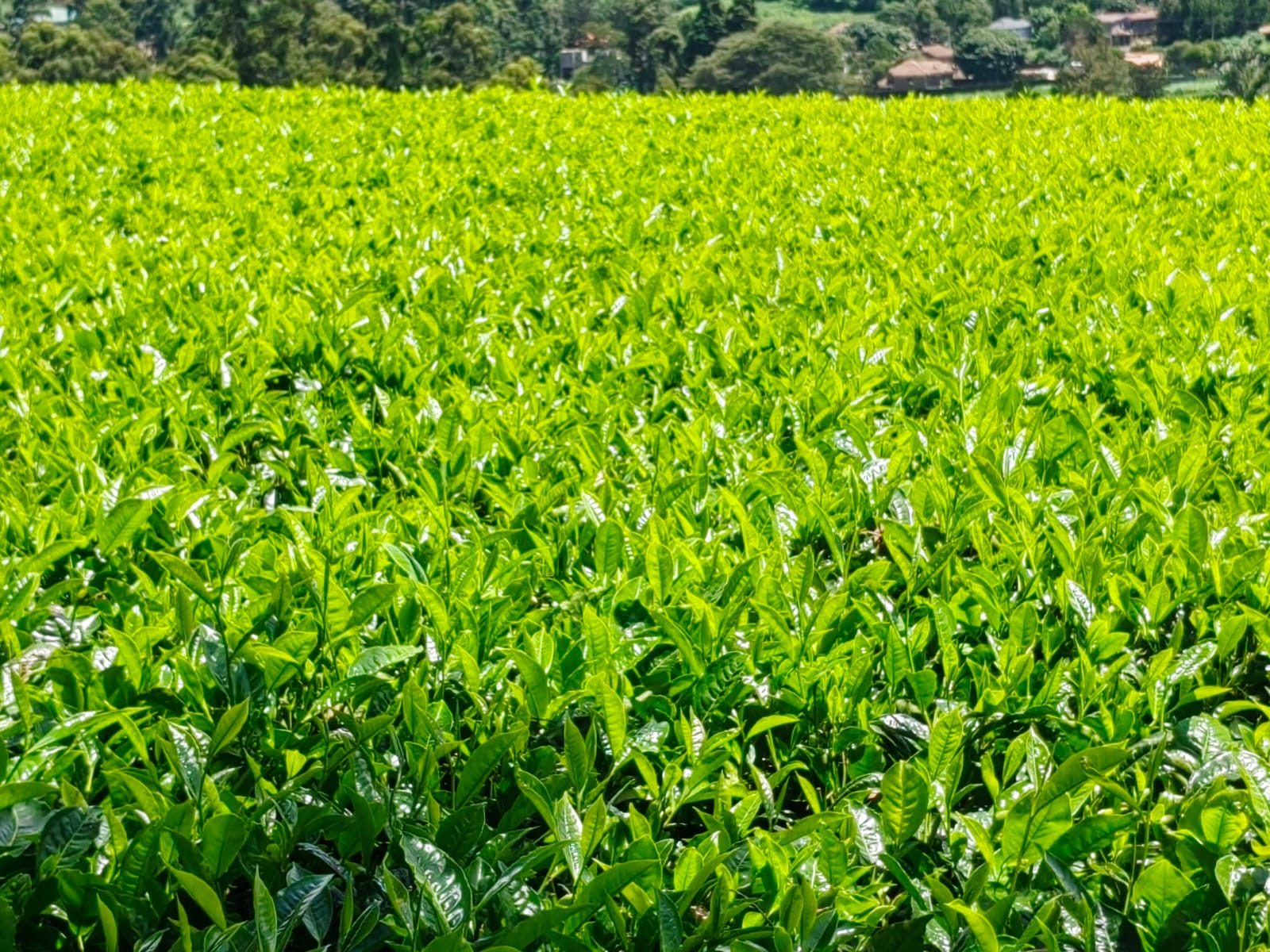
Quality Seeds
Final thoughts
The journey towards food security is ongoing, and requires continuous learning, adaptation, and innovation to overcome emerging challenges and capitalize on new opportunities. Let’s work together to create a food system that is resilient, equitable, and sustainable.